Vector Database vs Graph Database: A Guide to Choosing the Right Solution - Pdf Slider
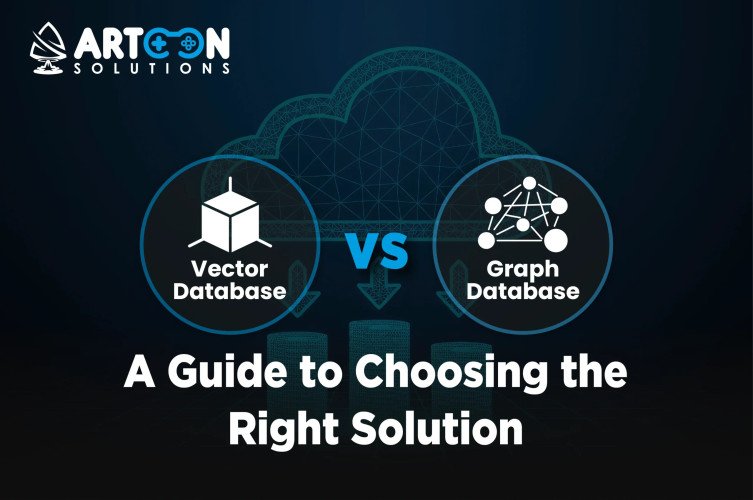
In the world of data management and analytics, the right database solution can make all the difference in performance, scalability, and the ability to derive meaningful insights from vast amounts of data. Among the many database types, vector databases and graph databases are two cutting-edge technologies that have gained significant traction due to their ability to handle complex, interconnected, and high-dimensional data.
However, choosing the right database solution for your business can be a challenge, especially when these two types of databases offer unique advantages tailored to different use cases. Vector databases are ideal for managing high-dimensional vectors, making them an excellent choice for AI applications that involve machine learning, recommendation systems, and search-based tasks. On the other hand, graph databases are optimized for data that is inherently connected, such as social networks, supply chains, and knowledge graphs.
This guide will walk you through the key differences between vector and graph databases, providing you with insights into their functionalities, use cases, and how to choose the best solution based on your specific needs.
Also, Read 7 Essentials to Ensure the Integrity of Your Database
What Is a Vector Database?
A vector database is a type of database specifically designed to handle high-dimensional data and vectors. These databases are optimized for storing and querying large datasets of vectors, which are typically the output of machine learning models or embeddings. Vectors are mathematical representations of objects, words, or entities in a multi-dimensional space, which makes them ideal for tasks like similarity search, recommendation systems, and natural language processing (NLP).
How Vector Databases Work
- Vector Representations: In a vector database, objects are converted into vectors using machine learning models, where each vector represents the characteristics of the object in a high-dimensional space.
- Similarity Search: Vector databases excel at finding the most similar items in a dataset based on their vector representations. This is particularly useful for applications like search engines and recommendation systems.
- Efficient Indexing: To handle large volumes of high-dimensional vectors, vector databases use specialized indexing techniques, such as Approximate Nearest Neighbor (ANN) algorithms, to make querying faster and more efficient.
Example Use Cases for Vector Databases:
- AI and Machine Learning: Storing model embeddings, enabling similarity-based queries for AI models.
- Recommendation Engines: Powering systems like product recommendations by finding similar items based on customer preferences.
- Search Engines: Providing more relevant search results by comparing the similarity of search queries and content.
Example: FAISS is an example of a vector database used for similarity search in machine learning applications.
What Is a Graph Database?
A graph database is a specialized database designed to store and manage data that is interconnected or graph-like in nature. Unlike traditional relational databases, which use tables to store data, graph databases use nodes, edges, and properties to represent and store relationships between entities.
- Nodes represent entities.
- Edges represent relationships between those entities.
- Properties are key-value pairs that provide additional information about the nodes and edges.
How Graph Databases Work
- Data Representation: In a graph database, data is represented as nodes connected by edges. This structure makes it easier to model complex relationships, such as social networks or supply chains.
- Traversal: Graph databases excel at traversing relationships between entities. Queries typically focus on finding paths or relationships between nodes, which is done efficiently due to the way data is indexed.
- Flexibility: Graph databases allow for highly flexible and dynamic schema design, making them ideal for applications that require rapid iteration and complex relationship modeling.
Example Use Cases for Graph Databases:
- Social Networks: Mapping relationships and interactions between users.
- Fraud Detection: Identifying suspicious activity based on transactional relationships or patterns.
- Supply Chain Management: Mapping products, suppliers, and logistics in real-time to optimize the flow of goods.
Example: Neo4j is one of the most well-known graph databases, frequently used in applications like fraud detection, recommendation systems, and social network analysis.
Also, Read How to Find Quality and Affordable Database Providers in Singapore
Vector Database vs Graph Database: Key Differences
1. Data Structure
- Vector Database: Stores high-dimensional vectors that represent features or characteristics of objects.
- Graph Database: Stores entities as nodes and relationships as edges, making it ideal for representing interconnected data.
2. Querying and Use Cases
- Vector Database: Best suited for similarity searches, recommendation engines, and AI applications. It excels when comparing high-dimensional vectors to find the most similar items.
- Graph Database: Ideal for applications that need to model complex relationships, such as social networks, fraud detection, and recommendation systems based on connections.
3. Data Type
- Vector Database: Primarily designed to handle numerical data in the form of vectors, which are typically derived from machine learning models.
- Graph Database: Designed for structured data where entities are connected by relationships, making it great for tasks that require network or relationship-based queries.
4. Performance
- Vector Database: Optimized for handling high-dimensional queries and nearest neighbor searches, making it highly efficient for AI, search, and recommendation tasks.
- Graph Database: Optimized for relationship-based queries and can handle large, complex networks of data efficiently, making it perfect for discovering patterns within connected data.
When to Choose a Vector Database
- AI Applications: If your application requires working with machine learning models, embeddings, or similarity-based search, a vector database is the ideal choice.
- Recommendation Systems: If you need to build recommendation engines that rely on understanding the similarity between items, vector databases are highly efficient in providing relevant results.
- Search Engines: For semantic search and contextual search, where you need to find items that are similar to a search query, vector databases excel in providing quick and accurate results.
When to Choose a Graph Database
- Social Networks: If you need to model complex relationships between users, such as friend connections, followers, and interactions, a graph database is the best fit.
- Fraud Detection: When trying to detect fraud or suspicious activity through relationships in transactional data, graph databases can efficiently find patterns and anomalies based on relationships.
- Supply Chain Management: If your data represents a network of suppliers, products, and logistics, graph databases can help optimize the flow of goods and services.
Key Benefits of Both Databases
Benefits of Vector Databases:
- High-Dimensional Data Handling: Perfect for AI, machine learning, and NLP applications.
- Efficient Similarity Search: Fast and accurate results for searching similar items based on vector representations.
- Scalability: Can handle large datasets of high-dimensional vectors efficiently with specialized indexing.
Benefits of Graph Databases:
- Relationship Mapping: Excellent at modeling and querying complex relationships between entities.
- Flexibility: Allows for quick adjustments to the schema as relationships evolve.
- Optimized Traversal: Fast query performance for graph-based data, ideal for network analysis and pathfinding.
Conclusion
The choice between a vector database vs graph database ultimately depends on the type of data you are working with and the specific use case of your application. Vector databases excel in handling high-dimensional data and are ideal for AI, search, and recommendation systems, while graph databases shine in managing interconnected data, making them perfect for applications like social networks, fraud detection, and supply chain management.
By understanding the strengths and weaknesses of each type of database, businesses can choose the right tool for their specific needs, whether it’s for building intelligent systems or optimizing complex networks.
If your business is looking to integrate AI-driven databases into your operations, consider partnering with an AI app development company or hiring AI developers to guide you through the process. Their expertise can help you implement the right solution, ensuring your business benefits from the latest in data management technologies.

Artoon Solutions
Artoon Solutions Pvt. Ltd. is a leading IT outsourcing company in India and the USA, we create high-end user-oriented digital experiences with our prolific insights, perfect planning, innovative ideas, and technological expertise. We strive hard to empower our clients with a solution that helps them gain their digital presence effortlessly. Our expert teams are wizards in their respective arenas who have rich experience in working with various business domains. We not only work hard, but we also work smart. We are one of the top IT software companies in India and the USA whose centre of focus is client satisfaction and ace-quality service delivery.
YOU MAY ALSO LIKE
3 Factors to Choose the Right Packaging Bags
This is essential because you don’t want your customers to receive damaged and torn courier bags.

Questions to Ask Before Hiring Digital Marketing Services
There are many benefits to working with a top Digital Marketing service. They can help you define your business and industry, and can also craft bespoke solutions for your specific target market.

How Long Do You Think Your Commercial Flat Roof Will Last?
Roof Solar is a very tight-knit group of high-performance roofing contractors in the tri-state area. Our best contractors are able to deliver the best solutions for all of your roofing needs within the estimated time.
Similar Links

Reliance Jio's 5G footprint after spectrum auction
Reliance Jio has acquired spectrum in the 700MHz, 800MHz, 1800MHz, 3300MHz, and 26GHz bands in the auctions conducted by the Department of Telecommunications, Government of India.

Oracle Corp: Oracle starts job cuts in US
The layoffs at Oracle will affect employees at its offices in the San Francisco Bay Area, Monday's report said, but it did not mention the number of employees affected.

Book Hotel Libra Online - BookingandYou.com
Hotel Libra in jaipur.Bookingandyou.com - We Offer Best Deals and Discounts for Destinations Worldwide Hotels. Big Savings on Luxury Hotels and Business Hotels. Online Book your Stay and Find Hotels Reviews and Packages.
Similar PDFs

Fastest way to make money online as a sidehustle
Fastest way to make money online as a side hustle . There are tonnes of people who are looking for ebook seller , and without any skills you can generate professional ebook with simple three steps . Tips how to sell professional ebooks and make upto $1000 with any worries.
Future of Website Design: How Will Web Design Change
Do you want to know what the future of web design will be like? Read this short essay to understand about the impending shift in web design trends.

Underground Affiliate Training Guide
How to earn unlimited commissions with this underground affiliate program you probably not even heard about.